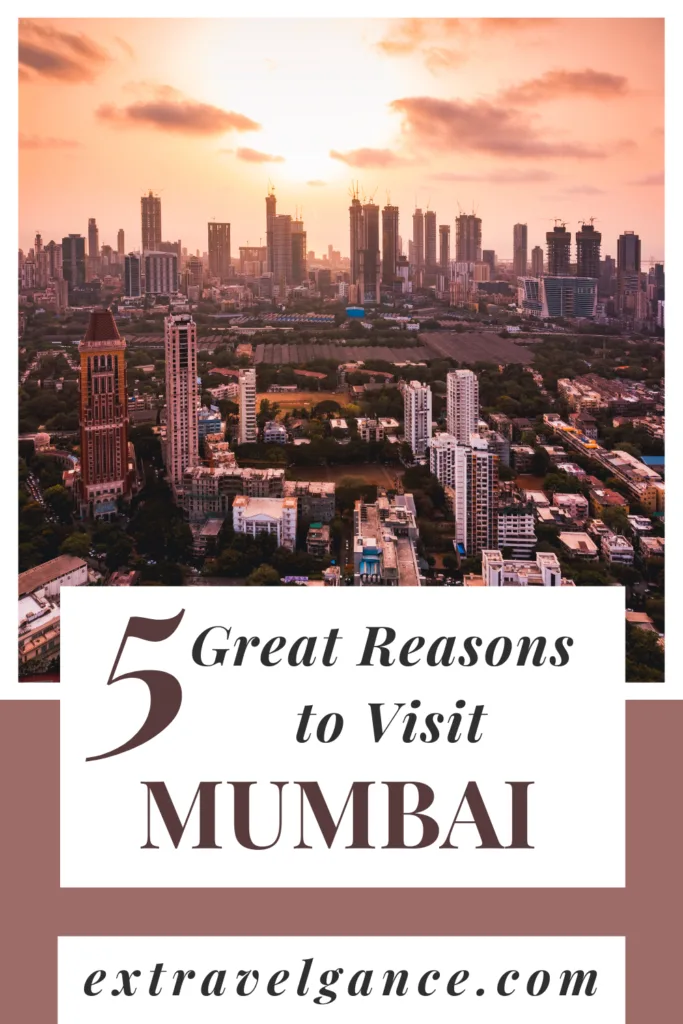
Mumbai is place like no other. It has an east-meets-west vibe, but is unmistakably Indian. It’s loud and chaotic, yet still cosmopolitan. It’s a must-see place on any trip to India. Here are the top 5 reasons to visit.
Note: We may earn a small commission from the affiliate links below.
See Iconic Landmarks
Mumbai’s history as a group of fishing villages later colonized by the Portuguese and then the British can be seen in every corner of the city. Today it is India’s commercial capital and entertainment hub. You will see all of these influences in the following iconic landmarks.
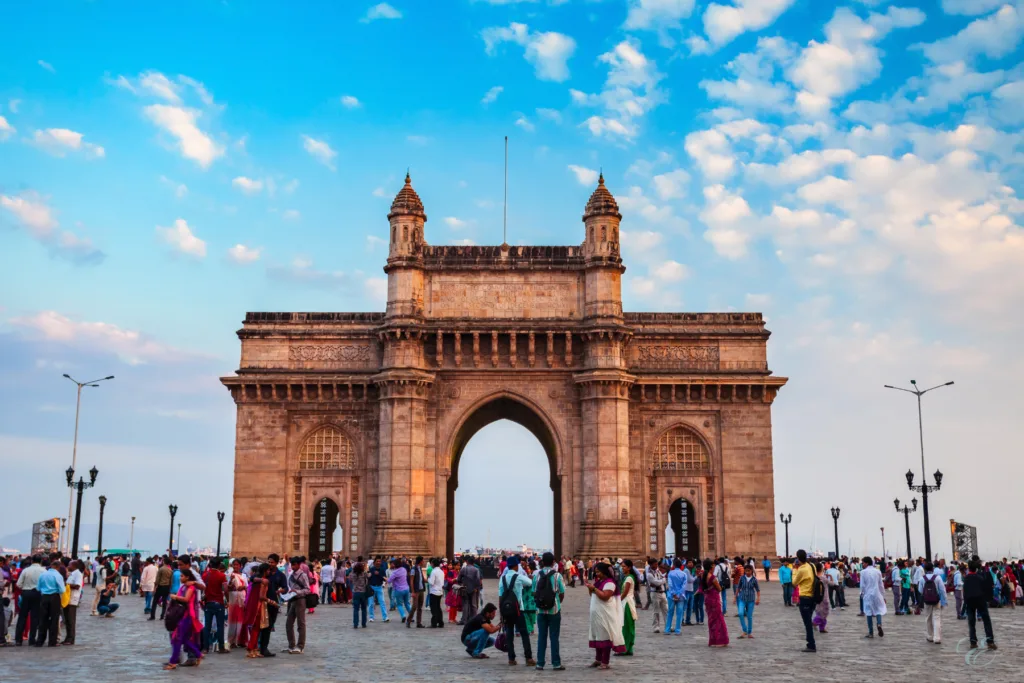
Gateway of India
The Gateway of India overlooks Mumbai Harbor. It was built in 1924 to commemorate the visit of King George V of England. Visit to admire the architecture and enjoy the lively waterfront vibe. You can even tour the gateway via speed boat! This is also where you can board a ferry to go to Elephanta Caves.
Chhatrapati Shivaji Maharaj Terminus (CSMT)
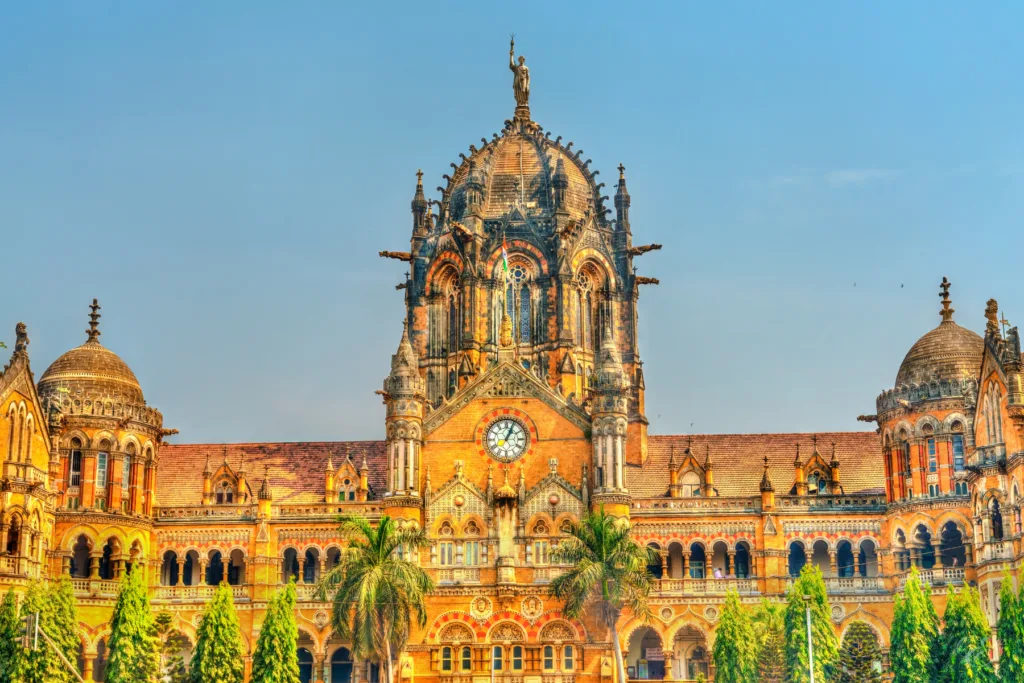
Chhatrapati Shivaji Maharaj Terminus (CSMT) is Mumbai’s main railway station. This striking building features Victorian Gothic architecture and Indian design elements and is a UNESCO World Heritage Site. You will likely visit the station to board trains to other parts of India. While you are there, make sure to allow time to admire the ornate, domes, turrets, stained glass, stone carvings, and ironwork. And don’t miss seeing the beautifully lit exterior at night!
Haji Ali Dargah
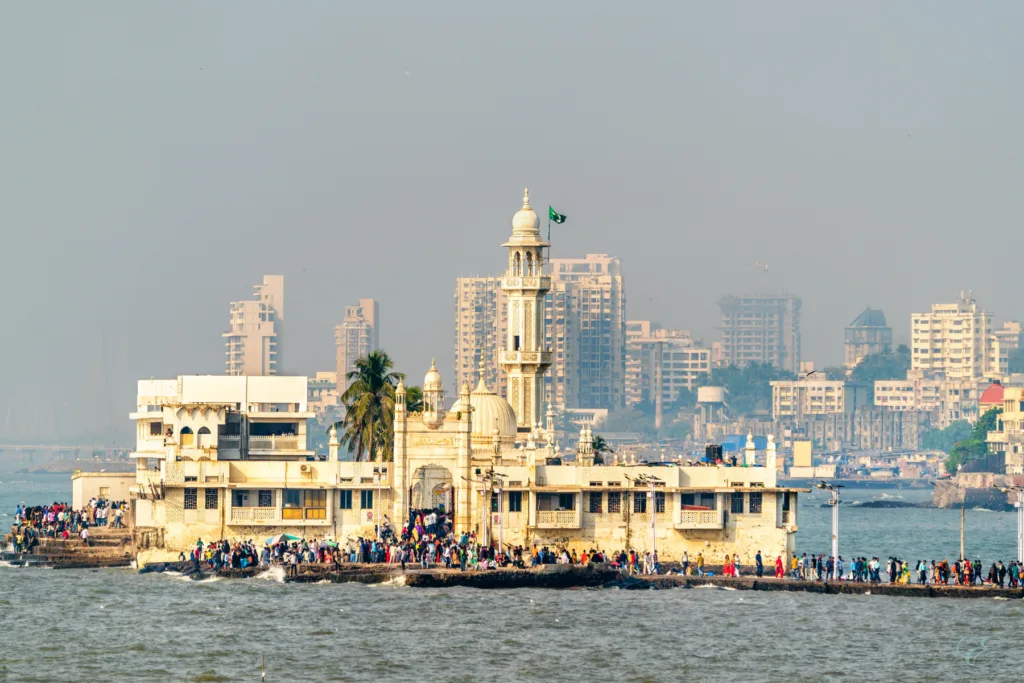
Standing on a small sublet in the Arabian Sea, Haji Ali Dargah is a stunning 15th century mosque. It is home to the shrine of Sufi saint Pir Haji Ali Shah Bukhari. Only accessible at low tide, you can walk to it on a causeway surrounded by the ocean. Visitors are welcome as long as they are dressed modestly and are respectful.
Discover Enchanting Neighborhoods
Mumbai is full of delightful neighborhoods to explore.
Colaba & Kala Ghoda
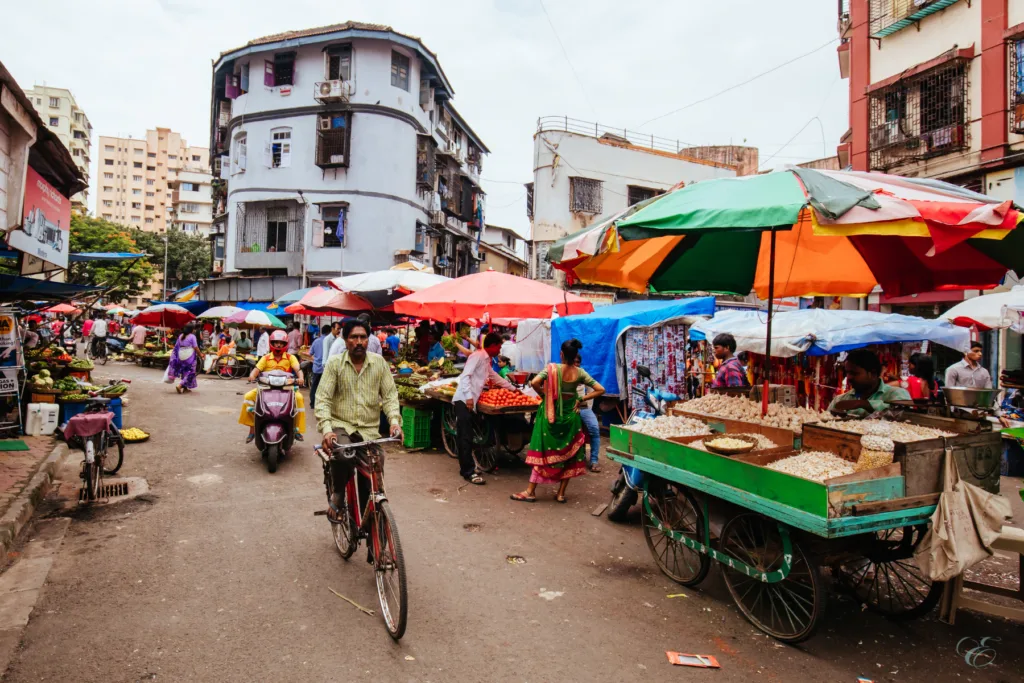
Colaba and Kala Ghoda are two of Mumbai neighborhoods that are very close together. This region of the city is where the Gateway of India is located and is known as Mumbai’s cultural heart. Admire the colonial architecture as you browse through art galleries and boutiques and enjoy delicious food at one of the many cafes scattered through the neighborhoods. And you will definitely want to check out the Colaba Causeway Market. It is open daily from 11 a.m.-10 p.m. and has stalls with jewelry, scarves, handbags, souvenirs, antiques, and clothing.
Marine Drive
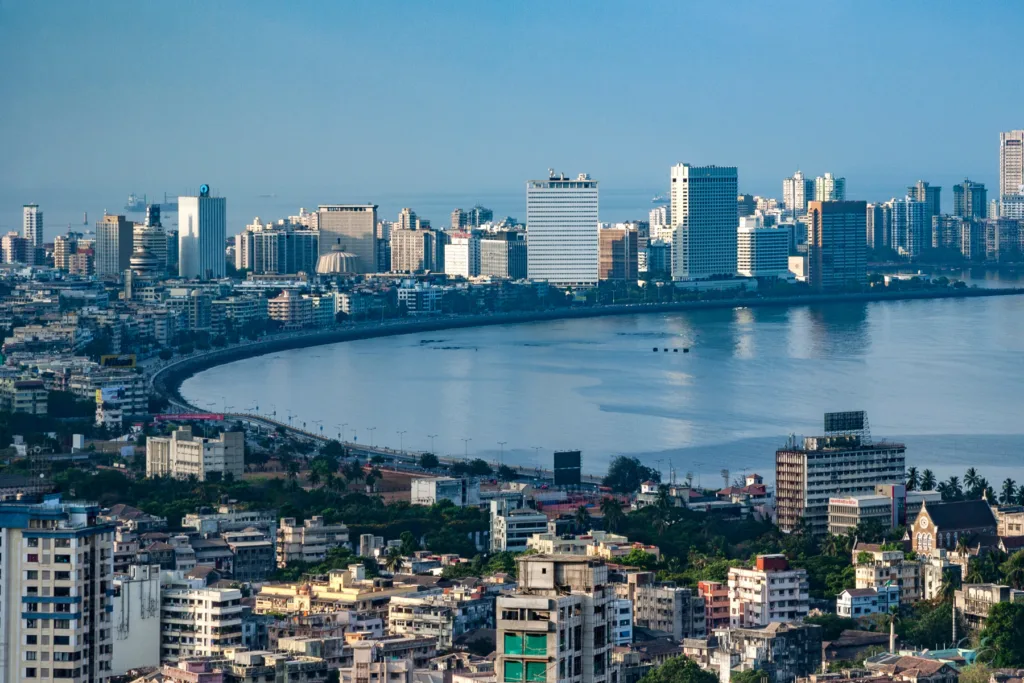
Mumbai rises up on the edge of the Arabian Sea, and Marine Drive curves along the edge that separates the two. Lit up at night, it is referred to as the “Queen’s Necklace.” It’s a great place for a stroll and people-watch, enjoy some street food, and admire the views.
Bandra
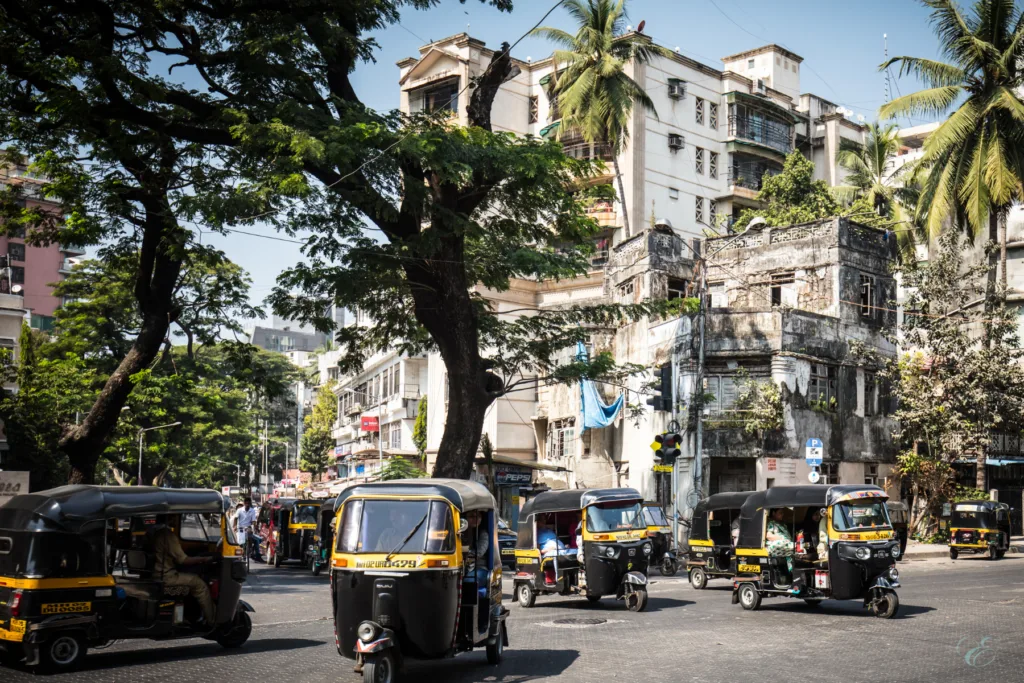
Bandra is a trendy neighborhood with historic Portuguese and modern Indian influences. This is THE place to go for nightlife in Mumbai. You will also enjoy the colorful street art and some of the city’s best dining and shopping. Take some time to visit the gothic Mount Mary Basilica. And take a stroll on the Bandstand promenade to enjoy views of the sea.
Learn about Culture & History
Mumbai started out as a group of fishing islands under Portuguese control. It grew rapidly in the 17th century when it became part of the British Empire. Known as Bombay, it became a major trading port. After India became independent in 1947, the city became the country’s financial and entertainment capital. The city changed its name from the British-era Bombay back to its historical name of Mumbai in 1995.
You can learn more about the history and deep cultural influences of Mumbai and India at several terrific museums and cultural sites in the city.
Chhatrapati Shivaji Maharaj Vastu Sangrahalaya
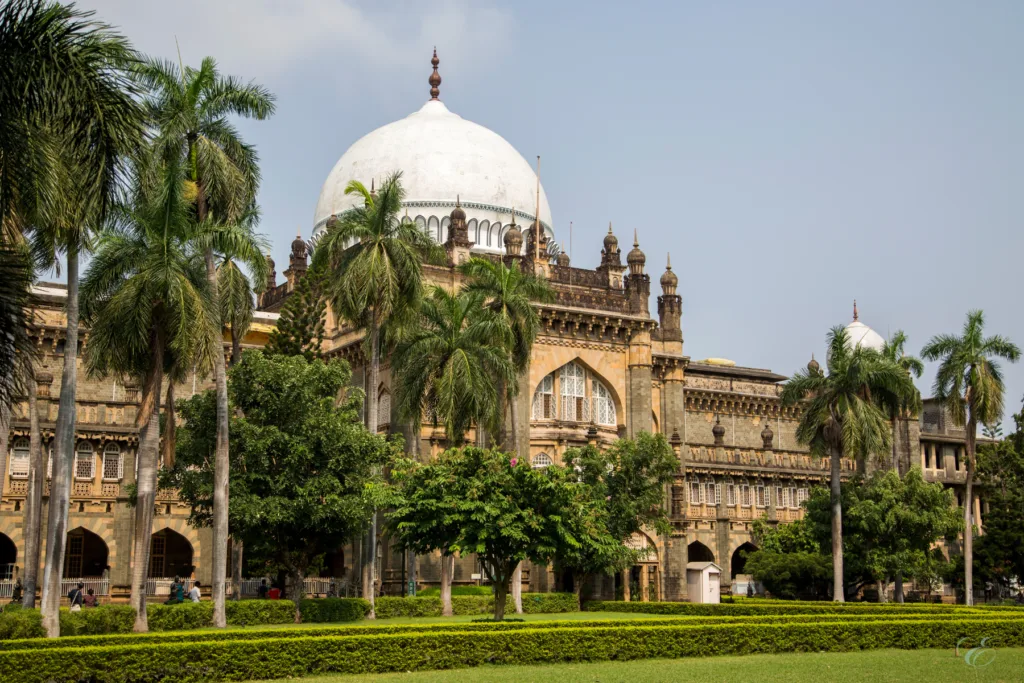
The Chhatrapati Shivaji Maharaj Vastu Sangrahalaya, formerly known as the Prince of Wales Museum, showcases India’s best collection of art and artifacts. It is housed in a gorgeous Indo-Saracenic building surrounded by lush gardens. Some of the notable exhibits include a collection of Indian miniature paintings, ancient sculptures, arms and amour, textiles and decorative art, and ancient Indus Valley artifacts.
Dhobi Ghat
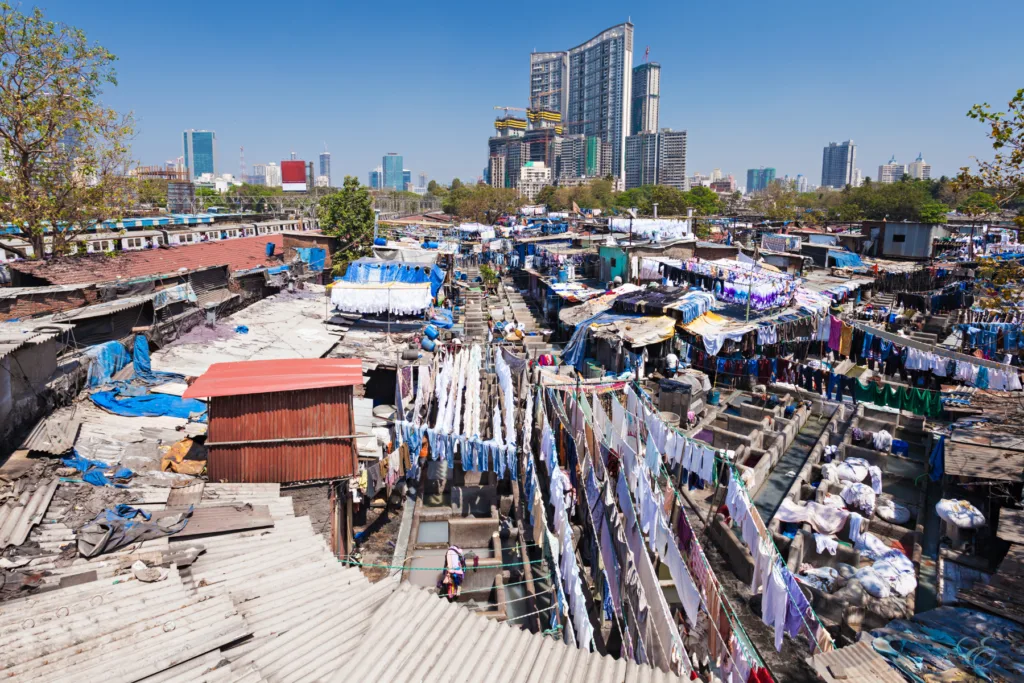
Dhobi Ghat is the world’s largest open-air laundry. From viewing points above the area, you can see dhobis (traditional washermen) handwash, dry, and iron laundry. It is estimated that more than 7,000 dhobis care for 100,000 pieces of laundry per 18-20 hour day. This is a fascinating look at a practice that is unchanged for over 100 years.
Mani Bhavan
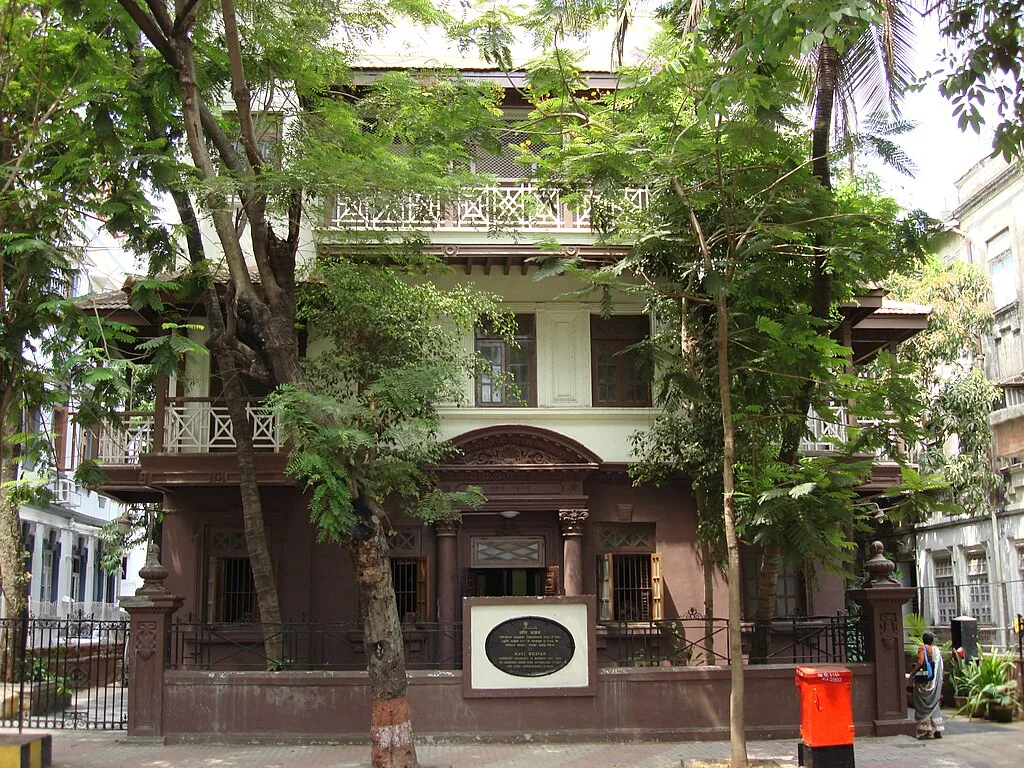
Mahatma Gandhi was pivotal in India’s quest for independence by pioneering a nonviolent resistance movement. Mani Bhavan was his home and headquarters for the movement from 1917-1934. Today, it stands as a memorial to Gandhi and serves as a museum about India’s independence.
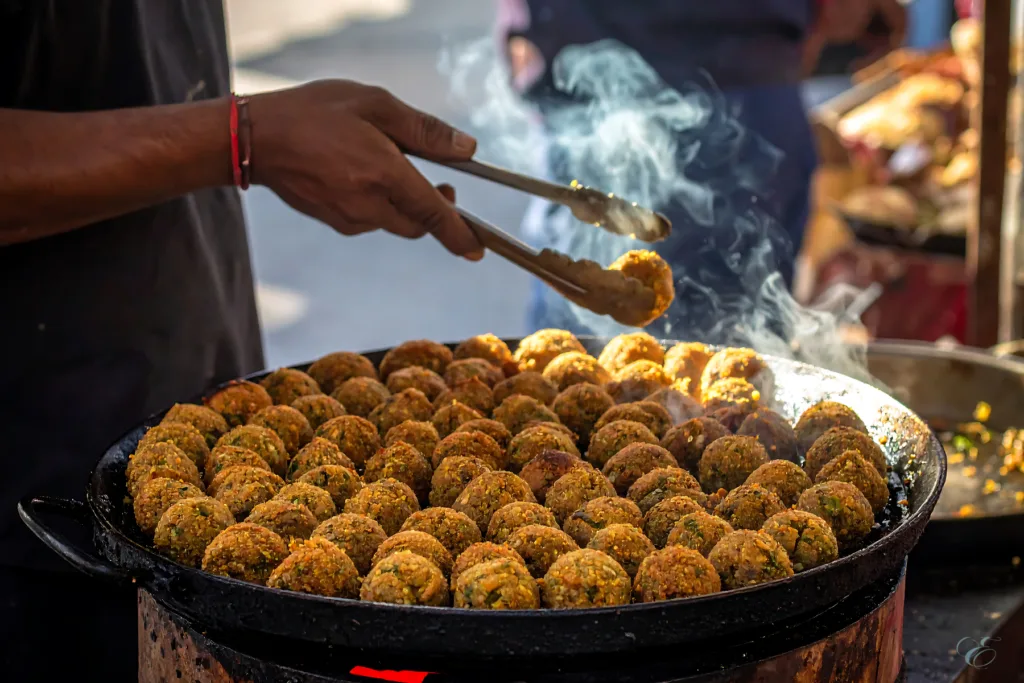
Devour Delicious Food
You may come to Mumbai for the history and culture, but you will want to stay for the food! Carts scattered throughout the city serve street food like vada pav, pav bhaji, bhel puri, and pani puri.
Don’t miss the restaurants and food stands along Mohammed Ali Road. This is where you will enjoy legendary Mughlai food. If you are visiting during Ramandan, make sure to go at night. You will see the essence of Ramandan, with locals breaking their fast and celebrating with their loved ones.
If you want to experience British-era Bombay charm, there are several options. Leopold Cafe is located on Colaba Causeway and was established in the 1870s. It serves an extensive menu of both Indian and Western dishes. Britannia & Co. is in the colonial business district of Ballard Estate and dates from the 1920s. It serves Indo-Persian food with a signature dish of spicy berry pulao.
And if you need a little break from Indian food, don’t despair. Mumbai has a lot of the American fast food you know and love, like Starbucks, Domino’s, McDonald’s, KFC, and Burger King. In fact, don’t think you are a sellout if you decide to eat at one of these chains. They each will have a unique cultural take on foods that are familiar to you.
Enjoy Nature
Despite having a population of around 20 million people, you can still enjoy nature in Mumbai!
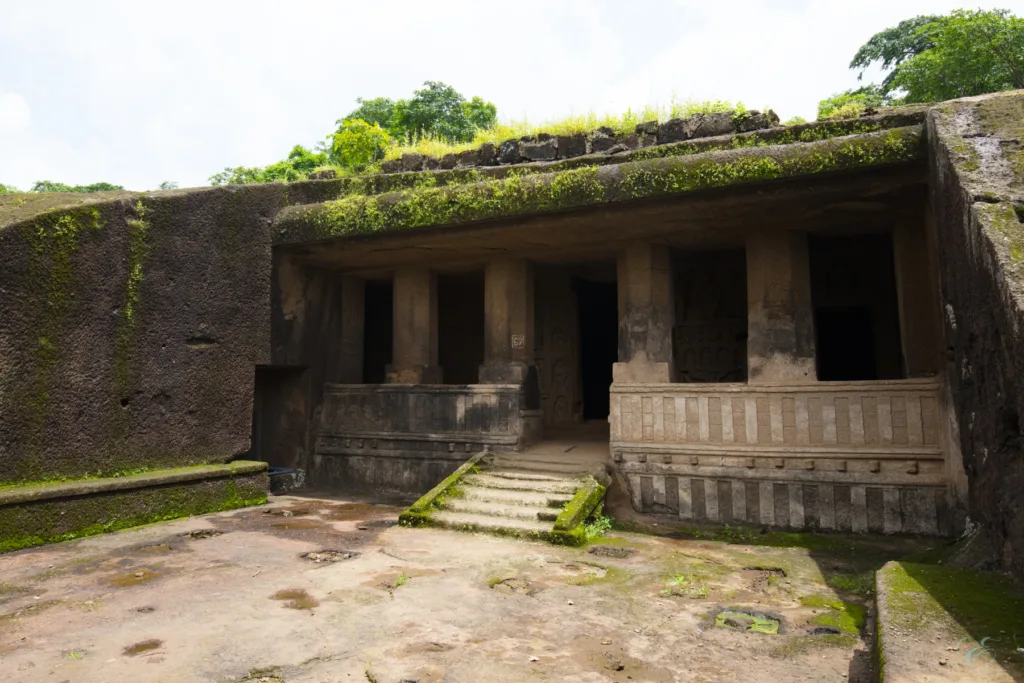
Sanjay Gandhi National Park
Sanjay Gandhi National Park is an urban forest reserve covering more than 60 square miles. Lush greenery and hills are home to wildlife like leopards, deer, monkeys, and a variety of birds. You will find its entrance in Borivali, a suburb of Mumbai accessible from any part of the city. The park has hiking trails, or you can opt for a guided safari.
While you are there, don’t miss the ancient Kanheri Caves. Dating from the 1st century BCE, these rock-cut Buddhist caves feature sculptures, prayer halls, and inscriptions. Another interesting site within the park is the Shri Trimurthi Jain Mandir temple.
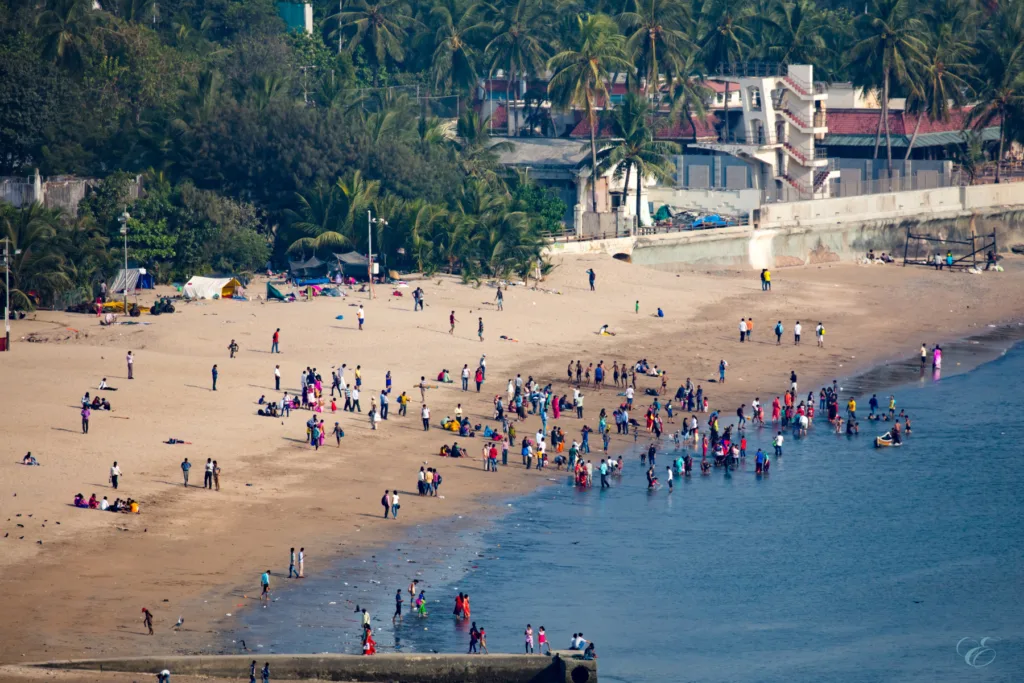
Visit a Beach
Mumbai’s location along the Arabian Sea makes it a great place to enjoy a day at the beach. You should not swim at any of Mumbai’s beaches due to strong currents, undertows, and polluted water. But you can enjoy relaxing in the sand, people-watching, and enjoying some of Mumbai’s famous street food
The most famous is Juhu Beach which is located in the western suburbs of Mumbai. Tourists and locals alike go for the lively atmosphere and street food. Visit on weekend afternoons when it’s buzzing with people, and stay for great sunset views in the evening.
Another options is Chowpatty Beach located at the northern end of Marine Drive. Visit at night for gorgeous views of the Queen’s Necklace (the illuminated Marine Drive). You won’t just sit and relax at this beach. Instead, you’ll enjoy performers, street food, and even camel and horse rides.
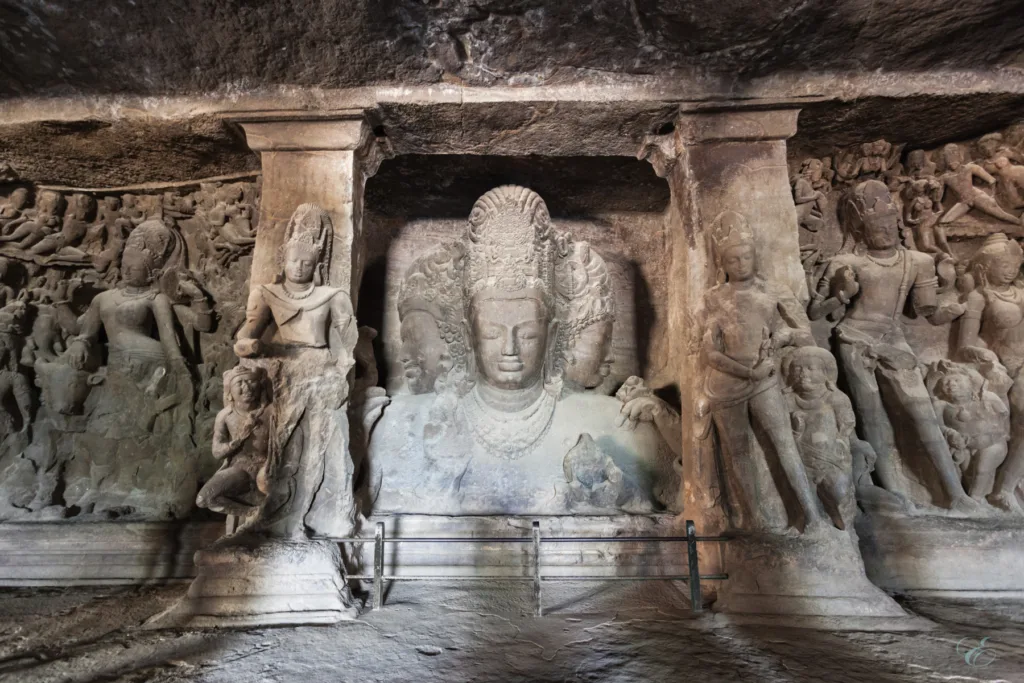
Elephanta Caves
Elephanta Caves are a network of cave temples on Elephanta Island. A UNESCO World Heritage Site, these caves date back to the 5th-8th centuries. They feature intricate Hindu sculptures and detailed reliefs. You can explore the main cave and several smaller shrines on the complex. You can access them via ferry from the Gateway of India in Mumbai. Ferries to the caves run every half hour between 9 a.m.-2 p.m. The last ferry back to Mumbai leaves at 5:30 p.m.
What tops your list of reasons for visiting Mumbai?
Tell us below! You can also contact us and follow us on Facebook, Instagram, and Pinterest so you never miss a post.