
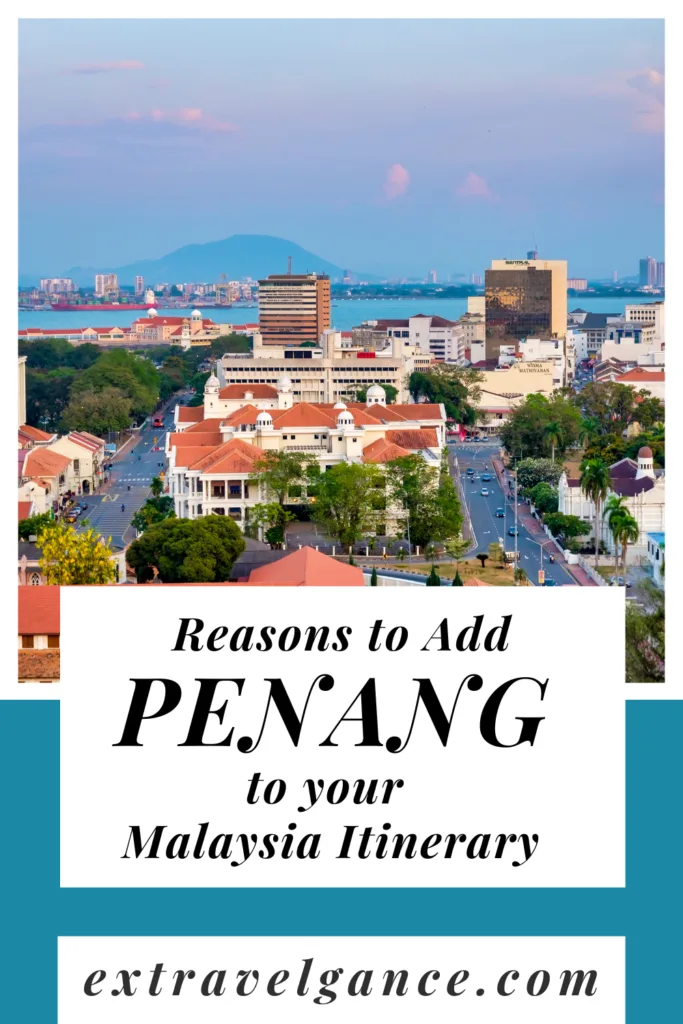
Penang is a Malaysian state that is famous for its cultural and culinary delights. The state features colonial heritage, street art, temples, beaches, and the best food you’ve ever had. Here are all of the reasons why you should definitely add Penang to your Malaysia trip itinerary.
Note: We may earn a small commission from the affiliate links below.
Discover George Town
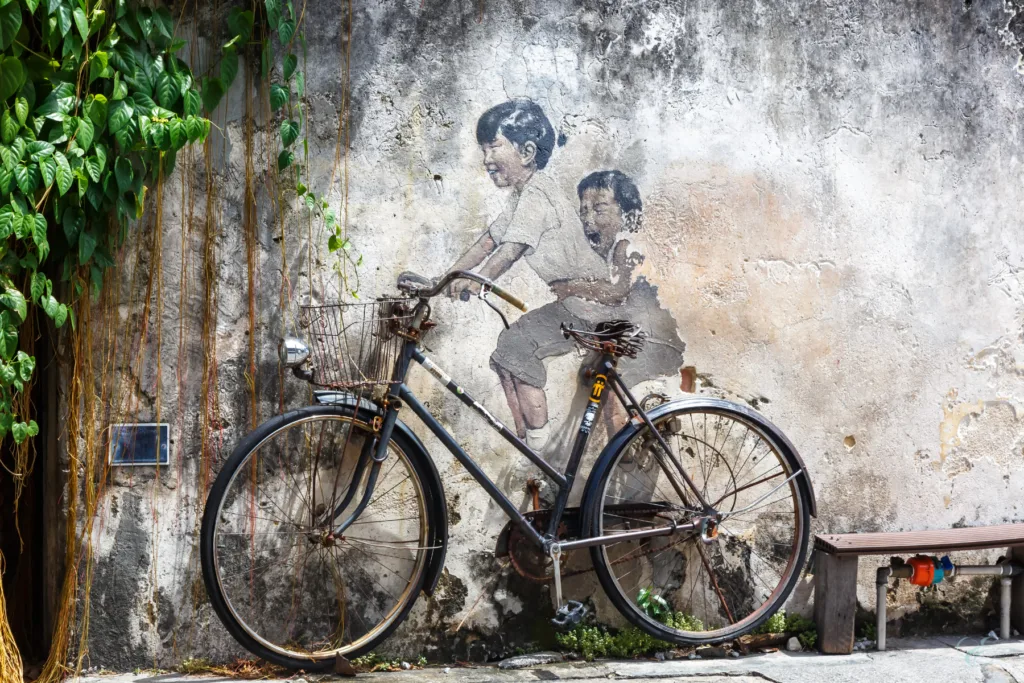
George Town is the principal city in the state of Penang. Originally a major British colonial trading port, today it displays an incredible cultural diversity. This UNESCO World Heritage Site has beautifully preserved colonial buildings, Chinese clan houses, historic mansions, colorful shophouses, temples, mosques, and more. But it also has a modern vibe with street art, including interactive 3D murals, scattered throughout the city.
George Town should definitely be your base to explore Penang. As you make your way to all of the sites in this post, you will pass through key streets. Better yet, take a walking tour looping through these streets in this order: Pitt Street (now called Kapitan Keling Street), Armenian Street, Cannon Street, Weld Quay, Beach Street, Love Lane, Muntri Street, and Chulia Street. This is the best way to see all of the terrific street art throughout the city.
Admire Temples & Historic Sites
There are many religious sites and other places of historic interest in Penang.
Kek Lok Si Temple
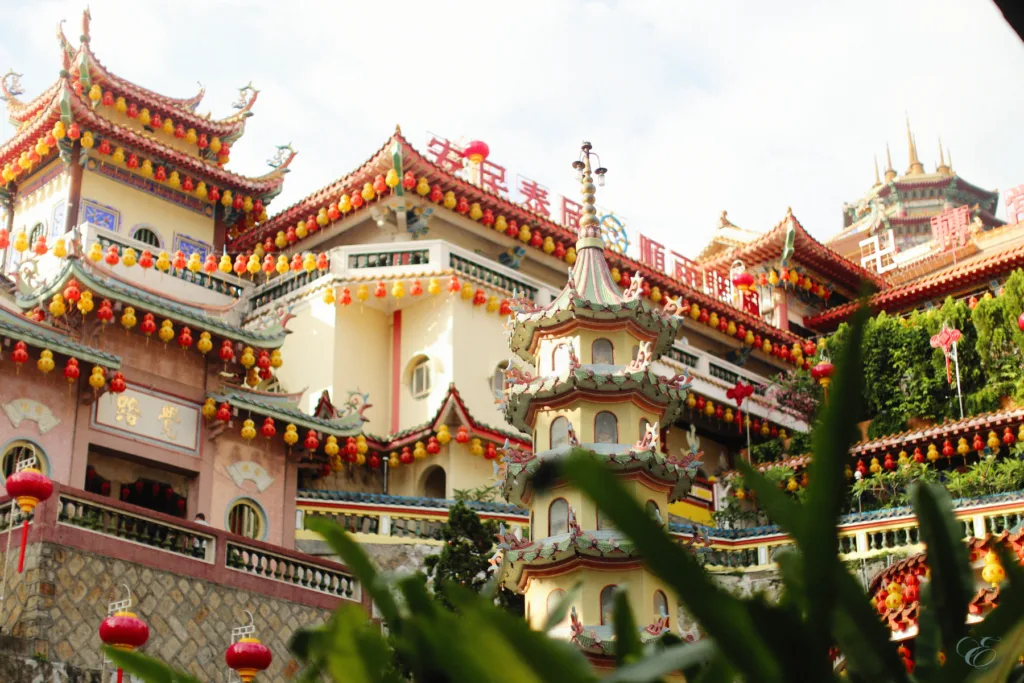
The gorgeous Kek Lok Si Temple sits perched on the hill in Air Itam, a suburb of George Town. Blending Chinese, Thai, and Burmese architectural styles, it dates from 1890 and serves as a place of worship, pilgrimage and learning. Make sure to enter the seven-tier Pagoda of Ten Thousand Buddhas to see all of the statues and for beautiful views from the top. You will also admire the 98 foot tall bronze statue of Kuan Yin (Goddess of Mercy). And take some time to wander the main prayer hall and courtyards where you can observe or participate in prayer and offerings while admiring the stunning decor.
Kapitan Keling Mosque
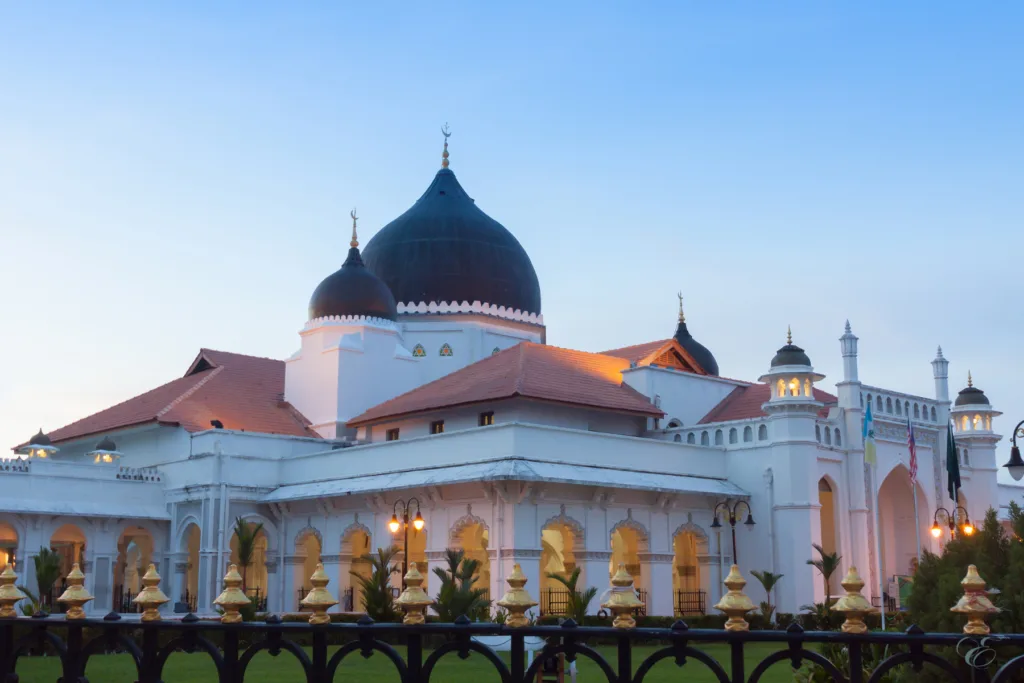
Located on Pitt Street in George Town, the Kapitan Keling Mosque dates from the early 19th century. It was designed by Indian Muslim traders and has a large golden dome, a tall minaret, and arched colonnades. Non-Muslims are welcome to visit outside of prayer times as long as they are dressed appropriately and are respectful.
The mosque is near three other religious buildings, Sri Mahamariamman Hindu Temple, Goddess of Mercy Temple (Buddhist), and St. George’s Church (Christian Anglican). This demonstrates the religious harmony that is present in the city. In fact, Pitt Street actually has three names. In addition to the colonial era name of Pitt Street, the street is both Kapitan Keling Street and the Street of Harmony. The later refers to this peaceful cohabitation of four religions.
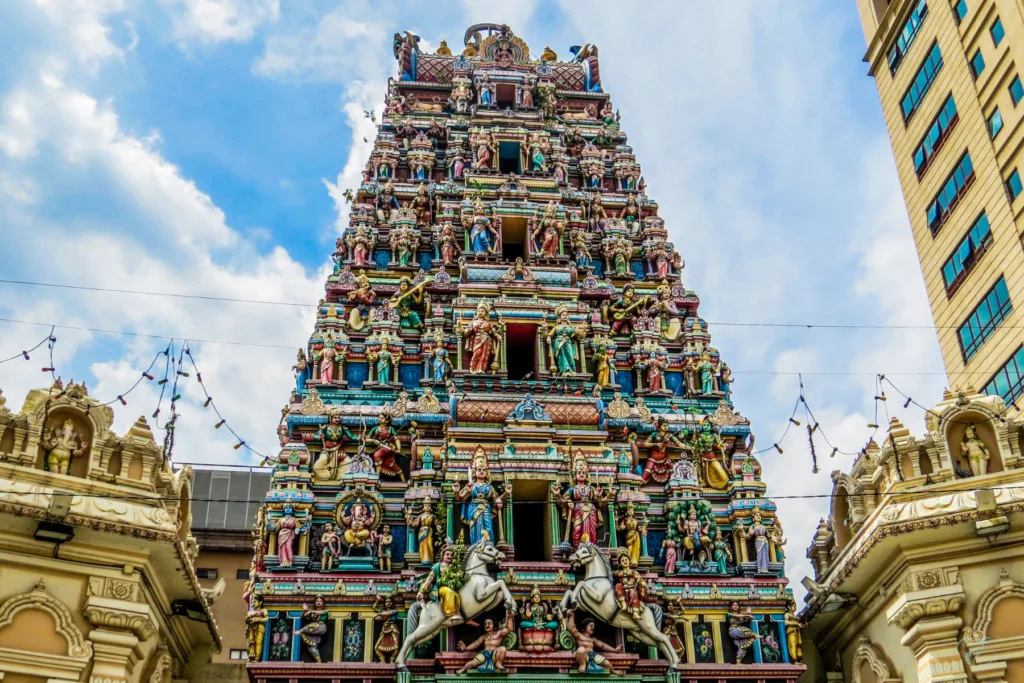
Sri Mahamariamman Hindu Temple
Sri Mahamariamman Hindu Temple wins the prize for being the most colorful place of worship in George Town! It dates from 1833 and is dedicated to Goddess Mahamariamman who protects against disease and misfortune. The structure features brightly painted Hindu gods, warriors, animals, and mythological creatures. Inside you will find shrines to various Hindu gods and an atmosphere of incense, chanting, and music. Visitors are welcome, but you must take off your shoes before entering and wear modest clothing.
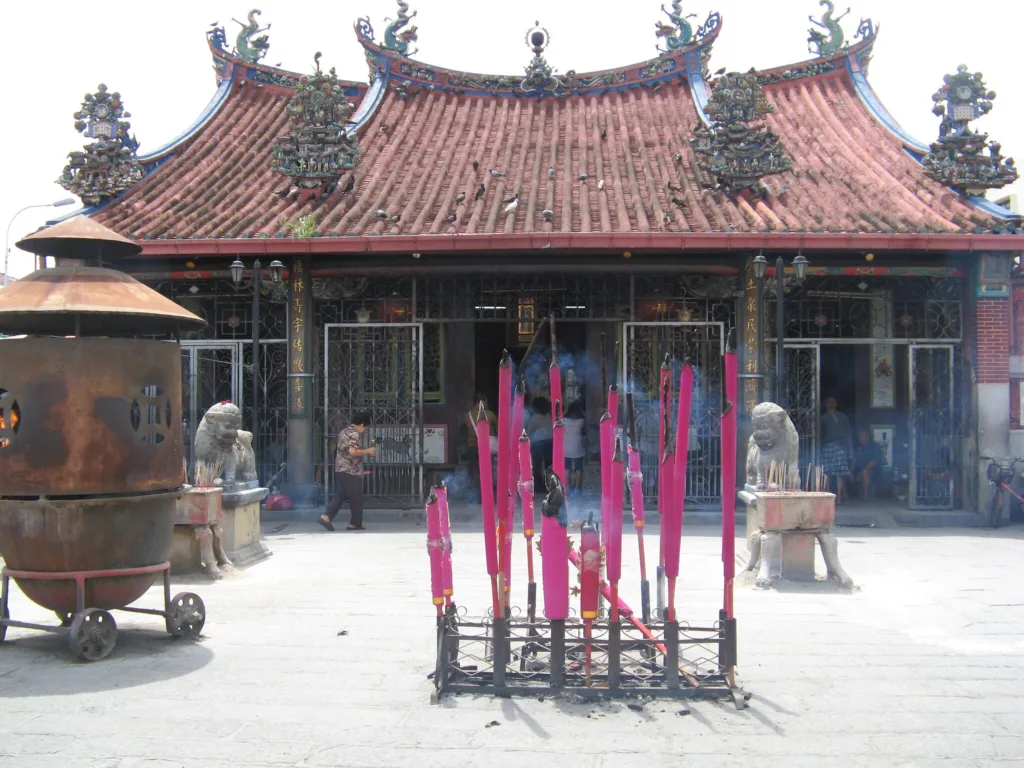
Goddess of Mercy Temple
Goddess of Mercy Temple is George Town’s oldest Chinese temple dating from 1728. This Buddhist temple is dedicated to Kuan Yin, the Bodhisattva of compassion and mercy. Inside large coils of burning incense and burning joss sticks provide an atmospheric mood. You can pray, make offerings, and draw fortune sticks during your visit.
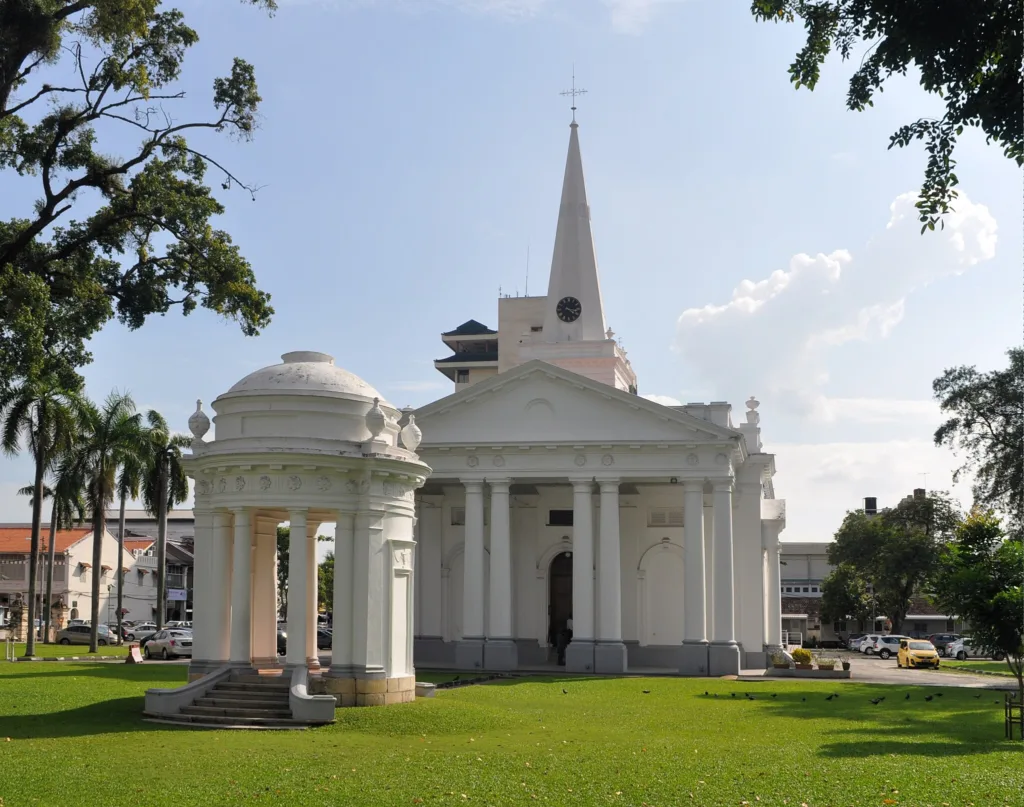

St. George’s Church
Built in 1818 during the British colonial period, St. George’s Church is the oldest Anglican church in Southeast Asia. It features British neoclassical architecture with a white exterior, Doric columns, and a symmetrical and simply layout without emphasis on ornamentation. Inside you will see high ceilings, stained-glass windows, wooden pews, and memorial plaques. The grounds are peaceful and hold a memorial pavilion and graveyard. The church hosts regular Sunday and Wednesday morning services. Visitors are welcome to attend services. The church is also often open to the public on weekdays.
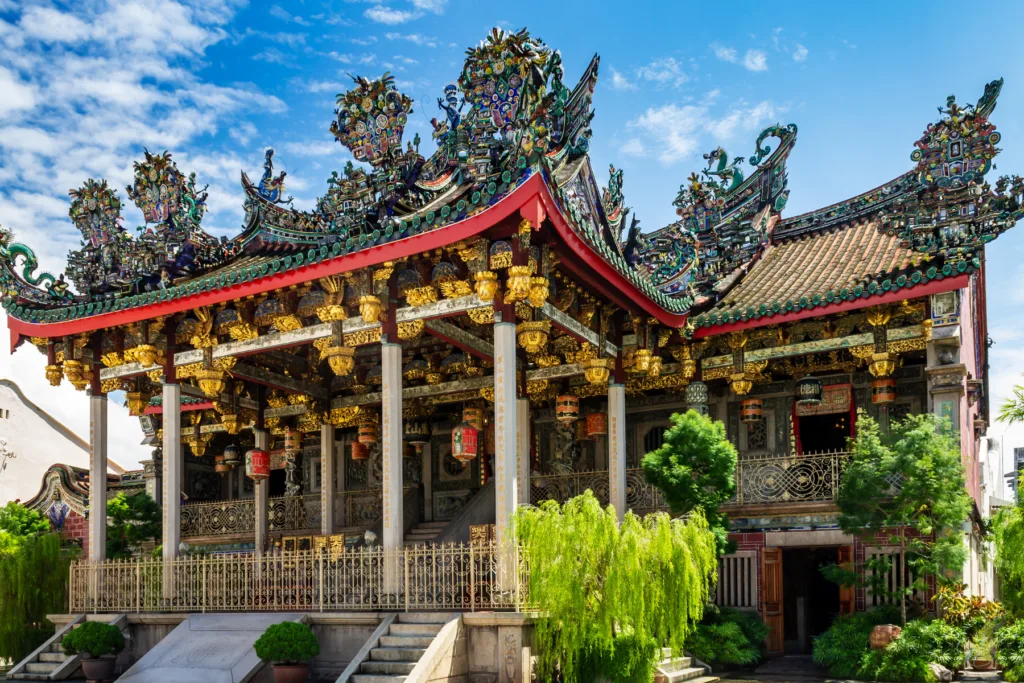
Khoo Kongsi Clanhouse
A clanhouse is a social and welfare center for immigrants with the same surname. It serves as a place of support for newly arrived immigrants and a social center for the community. Khoo Kongsi Clanhouse is one of the most famous of these in Southeast Asia. It was founded in 1851 by the Khoo family from Fuijan, China, although today’s structure dates to 1906. A small admission fee will allow you to go inside and admire the intricately carved stone pillars, gilded wooden panels, decorative roof ridges, and painted beams and ceilings. Definitely look up during your visit – the most spectacular decor is above!
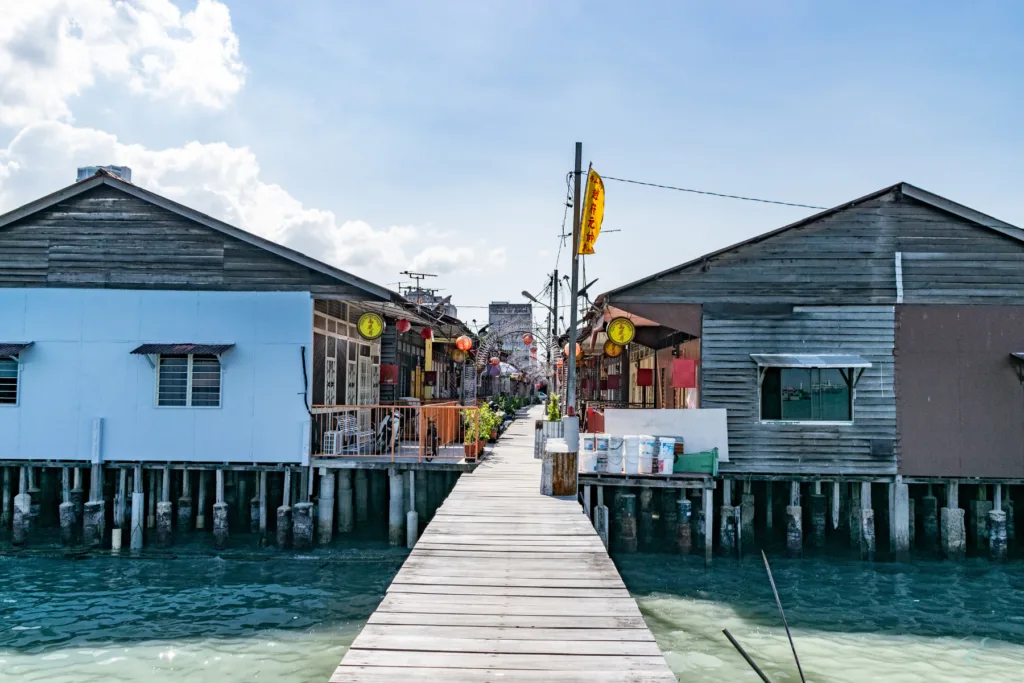
Clan Jetties on the Waterfront
Along the Weld Quay waterfront sits a series of stilt house communities on narrow wooden jetties extending out over the water. They were built in the 19th and early 20th centuries by Chinese immigrants to avoid land taxes (since technically the houses are in the sea). Like a clanhouse, each jetty was associated with a single Chinese clan or surname.
The largest of the clan jetties in Penang is Chew Jetty. It has shops, shrines, and great photo stops making it popular among tourists. As you stroll along the jetty, you see the everyday lives of residents. Take time to admire the various ancestral alters bedecked with offerings of incense, flowers, and fruit throughout the jetty, You may be able to purchase handmade crafts directly from residents. And it’s a great place to try local snacks!
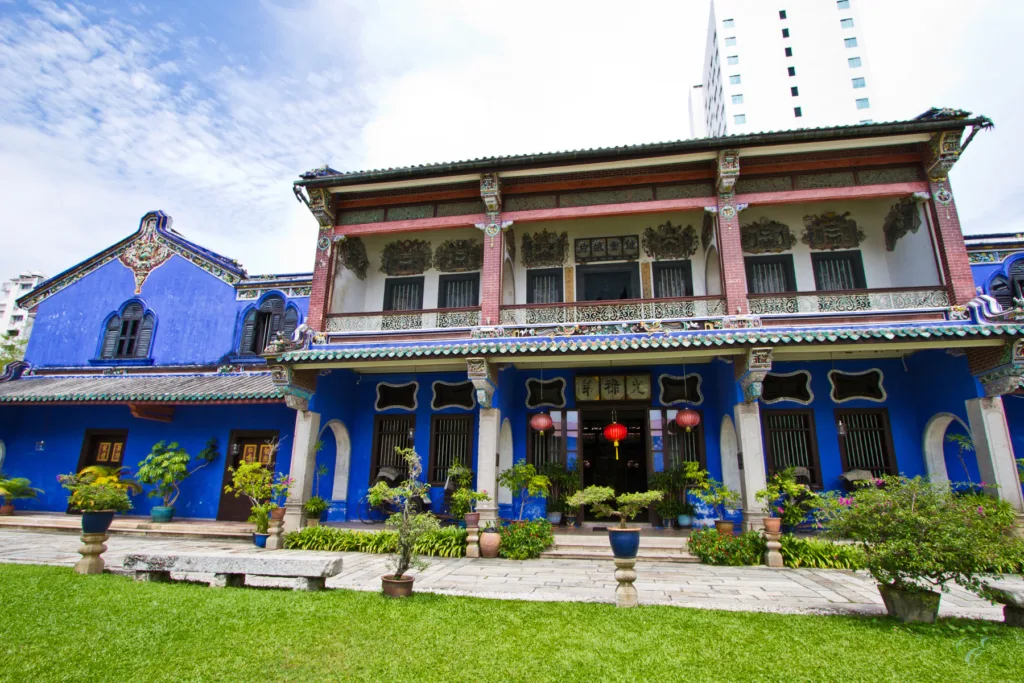
Cheong Fatt Tze Blue Mansion
This striking 1880s era mansion was home to Cheong Fatt Tze, a Chinese merchant and politician. It’s a rare example of Straits Chinese architectural style and combines Chinese, European, and tropical design elements. Look for Chinese-inspired courtyards and panels, European Art Nouveau stained-glass, and ventilation and light design features suitable for a tropical climate. The interior is chockful of Peranakan furniture and antiques arranged with Feng Shui principles in mind.
Today the Cheong Fatt Tze Blue Mansion is a hotel and museum. You can elect to stay in one of the guestrooms, or just take a guided or audio tour of the mansion. There are also several onsite dining options.
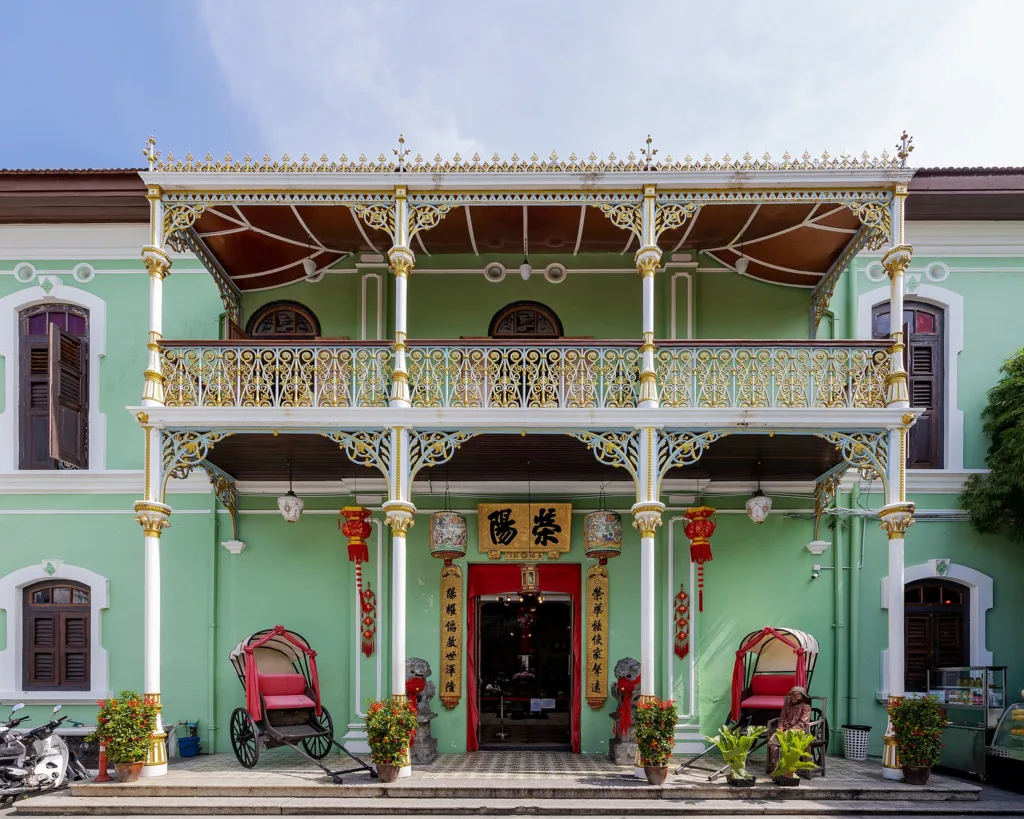
Pinang Peranakan Mansion
The Pinang Peranakan Mansion is a museum in George Town showcasing the everyday lives of Peranakan Chinese families in the late 19th and early 20th centuries. The collection is housed in a restored mansion built in the early 20th century. Inside you will find exhibits of Peranakan furniture, costumes, ceramics and porcelain, household items, and paraphernalia from ritual and ceremonial activities like weddings and worship.
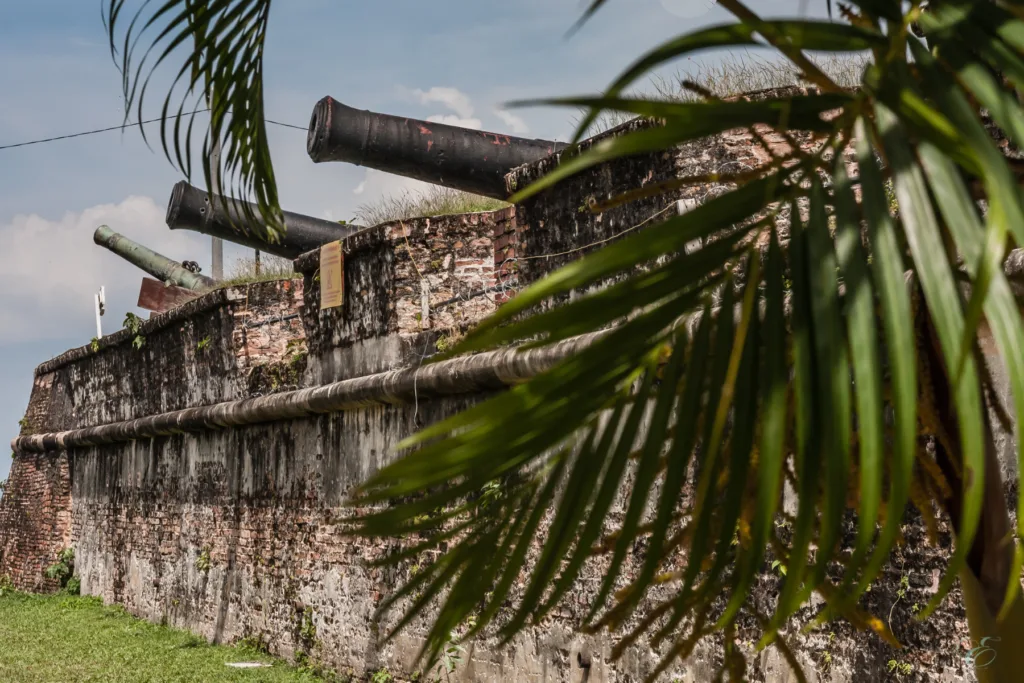
Fort Cornwallis
Fort Cornwallis is Penang’s oldest surviving structure built by European colonists. It dates from 1786 by Penang founder Captain Francis Light of the British East India Company. The fort is in the shape of a star with low walls and open at at the top. Inside the walls you can see cannons facing the sea, a chapel, prison cell, and storehouses. Exhibits explain the early settlement history.
Experience Nature
Penang isn’t just historical sites! The tropical climate insures that you will experience lush greenery and gorgeous flowers, and the hilly terrain ensures some great views. Here are some places that should definitely be on your itinerary!
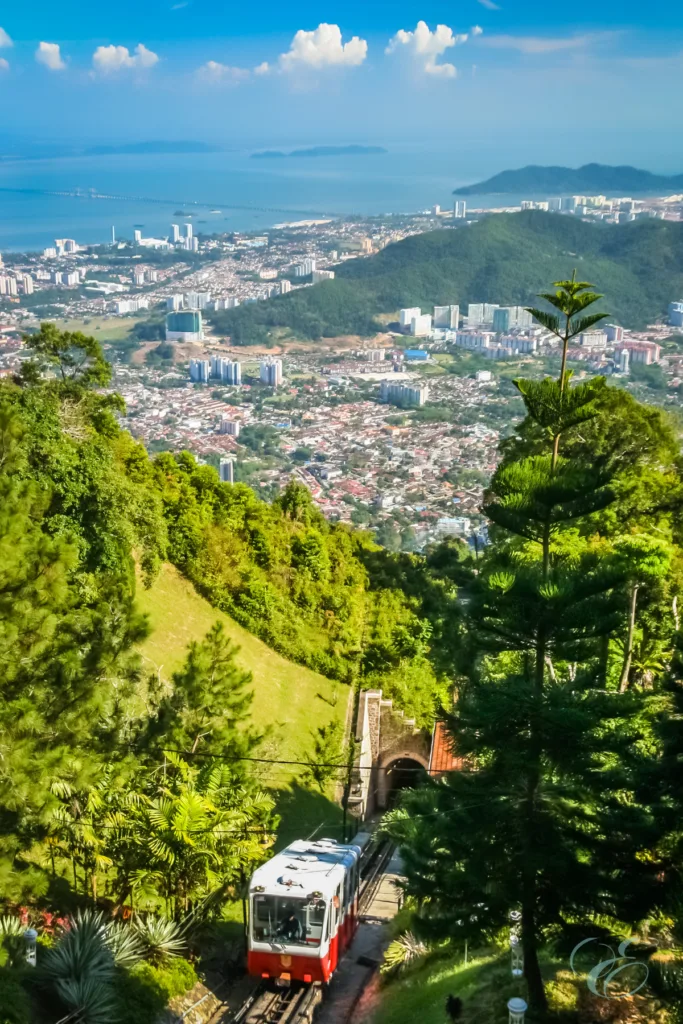
Penang Hill
It can get pretty hot in George Town, so you definitely will want to make your way up Penang Hill for some cooler temperatures! Penang Hill is located near the town of Air Itam, where Kek Lok Si Temple is located. Take the Penang Hill Funicular Railway up to the top, 2,733 feet above sea level. Once there, you can enjoy a 360 degree view of George Town, the mainland, and the sea from multiple observation decks. There are plenty of hiking trails to keep you busy as well.
On the hill you will find British colonial-era bungalows and buildings, many converted to restaurants and shops. You will also see the Hindu Sri Aruloli Thirumurugan Temple and Penang Hill Mosque.
The Habitat Penang Hill
If you want some real adventure, visit The Habitat Penang Hill. Here you can wander through rainforest trails to see native plants, insects, monkeys, birds, and reptiles. You can also book a guided walk with a naturalist.
Take the Langur Way Canopy Walk to experience the one of the longest double-span stressed-ribbon canopy bridges in the world. You can also take the Curtis Crest Tree Top Walk to the highest public viewing platform on Penang Island.
If these sound a little too taxing, relax with a Forest Bathing experience. This is not bathing in water. Instead, it’s an immersion in nature using your senses where you walk very slowly, noticing sounds and textures, and breathing in forest scents. The Habitat also offers sound healing with Tibetan singing bowls in the forest. And if all of this is a little too woo woo for you, maybe sunrise yoga might be a good option.
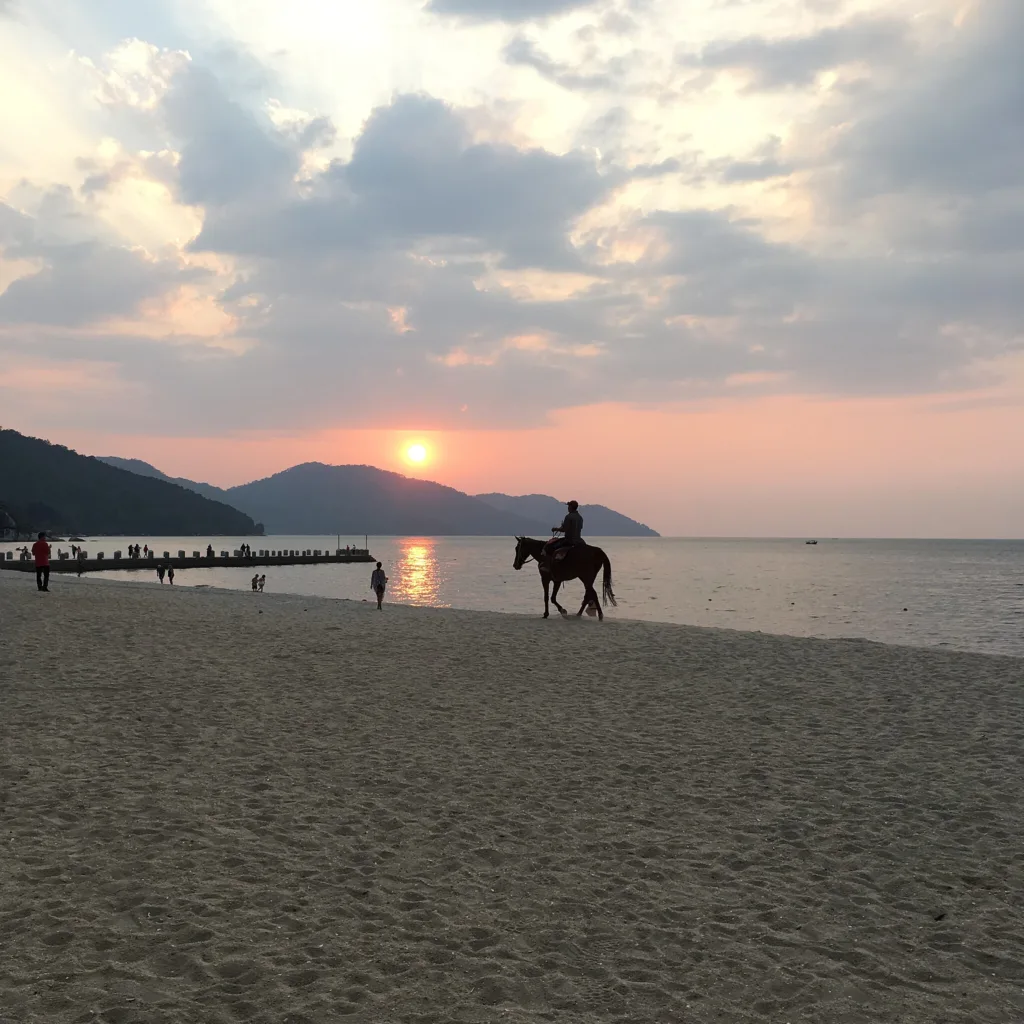
Penang National Park
Despite being one of the smallest national parks in the world, Penang National Park has a diverse mix of scenery. You will see rainforests, beaches, rocky headlands, mangroves, and coastal forests. The park is home to monkeys, dusky leaf langurs, macaques, monitor lizards, and other types of wildlife. If you time your visit right, it’s a great place to see migratory birds and turtle nesting.
During your visit, you can hike the well maintained trails. Popular routes are the trail from the Visitor’s Center to Monkey Beach or Pantai Kerachut (Turtle Beach). Both of these hikes will take about 1.5 hours one way. Monkey Beach has the most amenities, but neither beach is good for swimming due to jellyfish. If you don’t want to hike at all, or just on the way out, you can hire a boat. You can also take a boat between the two beaches and other parts of the National Park.
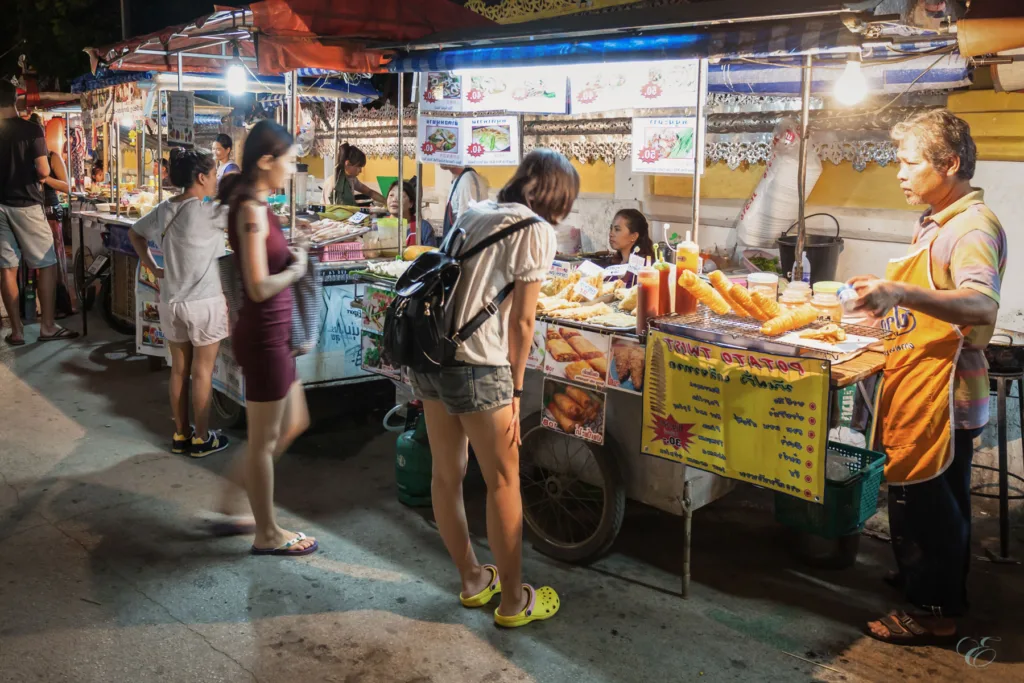
Savor the Food
No visit to Penang is complete without savoring the food. Known for its street food, people often say Penang is the best place in Asia to eat. When you get hungry, just head to the popular streets in George Town. You will see tons of booths and hawker stands offering all types of Malaysian food. Just select one and order one of the dishes below!
If you want a little more guidance, then take a food tour. These tours will allow you to try some great food and learn a lot about the culture and cuisine. You may also enjoy a cooking class.
Just a few words of warning before eating in Penang. Spice levels may be much hotter than you are used to. Ask for “kurang pedas” (less spicy) or “tak mau pedas” (not spicy). Always drink bottled water and avoid ice. Also avoid raw fruits and veggies that might have been rinsed with local water. Choose food stands that are busy so you know that food isn’t sitting for too long. Also check to see if the prep surface is clean. And it’s best if your food is prepared right in front of you.
Dishes to Try
Here are the food items you must try during your trip:
- Char Kway Teow – flat rice noodles with shrimp, cockles, sausage, and eggs.
- Penang Assam Laksa – sweet and sour soup with mackerel and noodles.
- Hokkien Hae Mee – soup with shrimp and thin rice noodles.
- Koay Teow Th’ng – soup with flat noodles, duck or pork, and clear broth.
- Curry Mee – coconut-based noodle soup with chilis.
- Oh Chien – fried oyster omelet.
- Lor Bak – marinated pork rolled in bean curd and deep-fried.
- Nasi Kandar – curried rice
- Lok Lok – skewers of fish, meat, shrimp, or veggies that you select and dip into boiling water to cook.
- Popiah – crepe filled with veggies and a sweet sauce.
- Penang Chendul – dessert made of jelly noodles, coconut mile, shaved ice, and sugar.
Enjoy Interactive Experiences
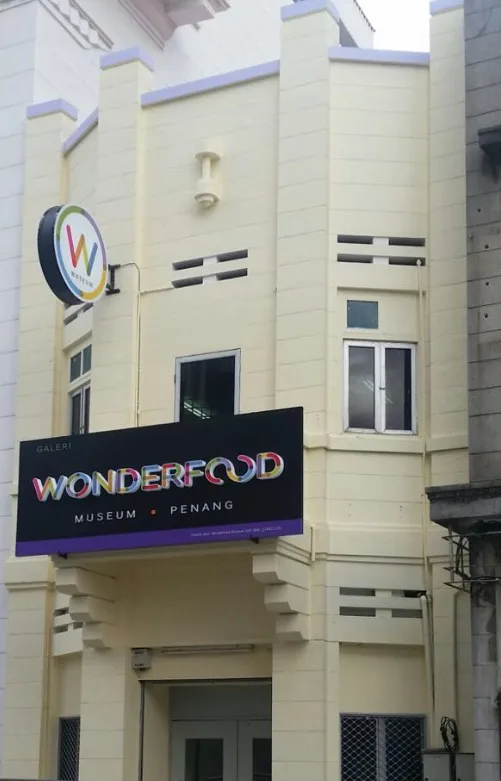
Wonderfood Museum
The quirky Wonderfood Museum showcases Malaysian cuisine through huge, lifelike food displays. It has very Instagram-able photo opportunities such huge bowls of noodles you can pose by and giant chopsticks you can pretend to use. There’s even a Mona Lisa created with food items! But it’s not just about the cute photos you can take. You will learn about the origins of Malaysian food, the ingredients and cooking traditions, food symbolism in the culture, and how Penang became known for food.
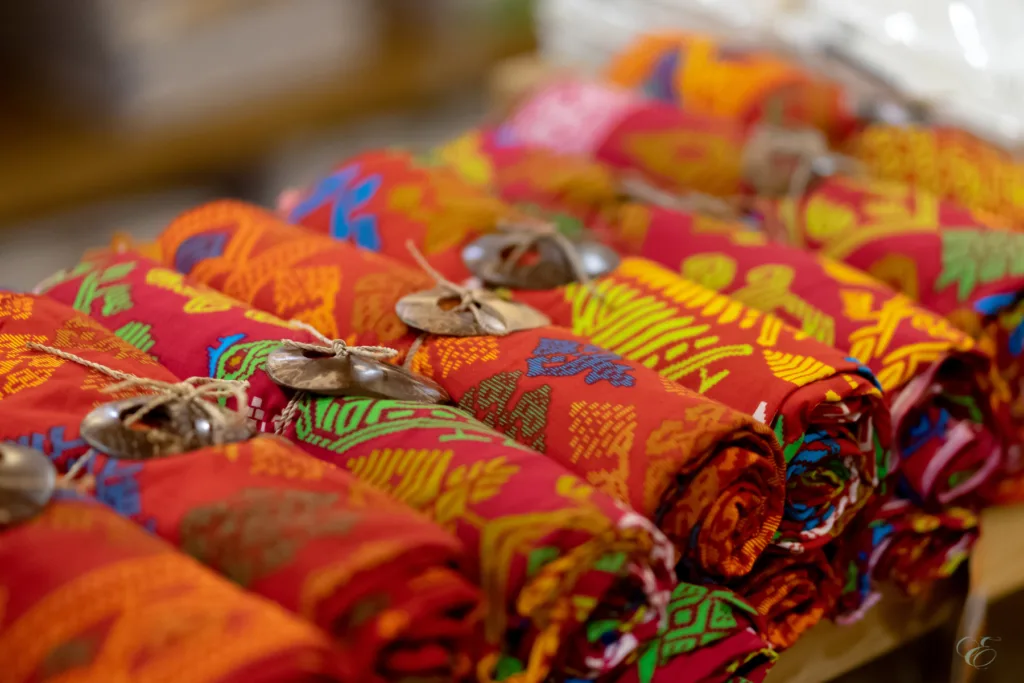
Penang Batik Fabric
Batik is a wax-resist dyeing technique. A design is drawn onto cotton or silk fabric with hot wax using a pen-like tool or carved stamps. Then the fabric is dyed, and the waxed areas are dye resistant. When the dyeing is complete, the wax is washed out. There are several experiences in Penang where you can learn more about this textile art.
At the Penang Batik Factory located in Teluk Bahang, you can tour the factory and see the artisans creating the fabric. You can also shop for Batik fabrics to take home. Want to make your own batik fabric? You can take a workshop at Rozana’s Batik. And you can see the talent of many Batik artists at the Batik Painting Museum Penang.
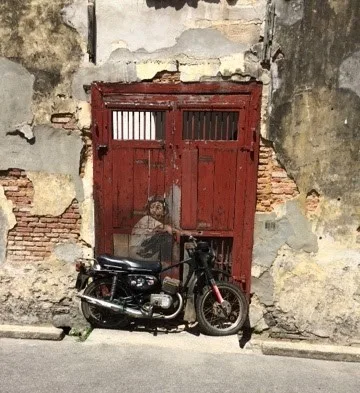
Street Art
George Town, Penang, is known for its interactive street murals. You will see many of them while going from site to site in town. But definitely take a few hours to find them all. You can follow one of many self-guided tours you find online (I like this one). Or book a street art tour. You may find that the street art is the most memorable part of your travels in Malaysia!
What’s on your must-do list for Penang?
Tell us below! You can also contact us and follow us on Facebook, Instagram, and Pinterest so you never miss a post!

Pingback: One Magnificent Week in Malaysia - Extravelgance