

Jet lag can ruin the first days of your trip, leaving you groggy, exhausted, and out of sync. But you don’t have to suffer! With the right strategies, you can reset your body clock fast and make the most of your travels. Here’s how to beat jet lag quickly and start feeling like yourself again.

1. Adjust Before You Fly
Don’t wait until you land to start adapting. A few days before your trip, shift your sleep schedule slightly toward your destination’s time zone. If you’re flying east, go to bed earlier. If you’re heading west, stay up later. Even small adjustments can help your body adapt faster.
This sounds like a great plan, in theory. But it is only possible for those of us fortunate enough to set our own schedules. If your life allows a little flexibility, this is a great way to start preparing for a new time zone.

2. Hydrate, Hydrate, Hydrate
Airplane cabins are dry, and dehydration makes jet lag worse. Start hydrating before your flight and continue drinking plenty of water throughout your journey. We instinctively tend to shy away from liquids to minimize the need for restroom breaks. But this is the worst thing to do – for many reasons.
Getting up and walking around on long flights is actually very good for you. It keeps you a bit more limber (particularly for those of us flying in the cheap seats) and helps avoid deep vein thrombosis.
So, drink all the WATER you can and consider those restroom breaks good for your overall health. That said, skip alcohol and caffeine, as they can disrupt sleep and leave you feeling more sluggish.

3. Control Your Light Exposure
Light plays a huge role in regulating your internal clock. Use it to your advantage! If you’re traveling east (losing time), get morning sunlight at your destination and avoid bright lights at night.
If you’re traveling west (gaining time), expose yourself to evening light and avoid early morning brightness. A pair of blue light-blocking glasses can also help if you need to trick your body into winding down earlier.
4. Sleep Strategically on the Plane
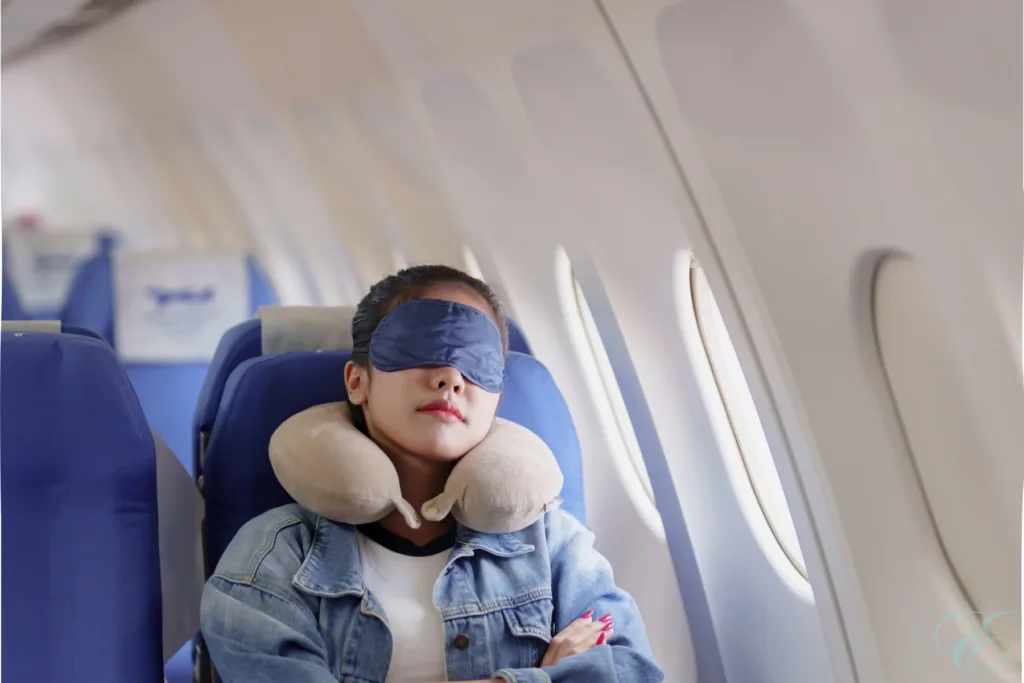
For long-haul flights, time your sleep to match your new time zone. If it’s nighttime at your destination, try to sleep. This isn’t always easy. I personally use an eye mask, neck pillow, melatonin, and noise-canceling ear plugs.
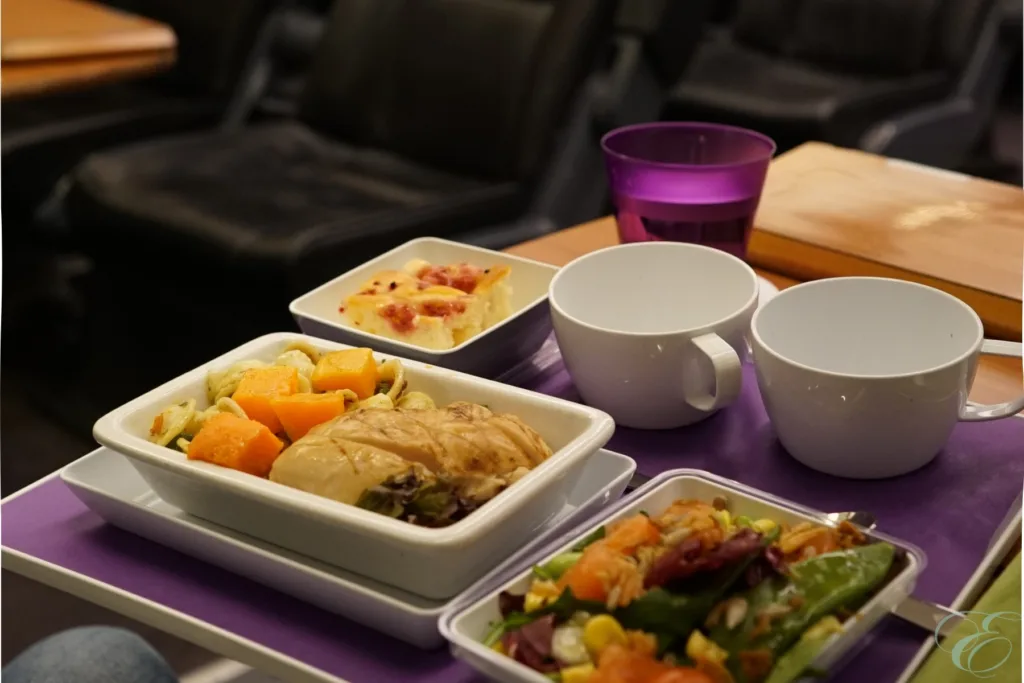
I typically try to fly overnight when going east. If headed to Europe (or further) I have a full routine! Once on the plane I immediately find a good movie and get comfy with my favorite travel pillow. They will typically serve the in-flight meal about 2/3 through my movie. It is best to avoid these as they are high in sodium that can rob you of sleep, but I typically pick and choose items off the tray.
Once my movie is over, I make my first rest room visit and then try to sleep until they turn the lights on to get people awake and moving. I generally wake up once or twice to visit the facilities and stretch my joints. But I try to get back to sleep (or at least rest) as I know I will arrive in the early morning and have a full day ahead before I can hit the sack.

5. Move Your Body
Exercise helps reset your internal clock faster. Stretch, walk around during layovers, and do light workouts when you arrive. I am not one to visit the gym much when I travel. I figure I get enough steps touring, but a good stretch (preferably in the bright sunshine) and a nice walking tour can generally get me moving.
6. Take a SHORT Nap (if you must)
If you’re exhausted upon arrival, and fortunate enough to find your room ready, take a power nap. I am not talking about an hour or two. Keep it under 30 minutes. Longer naps can make it harder to adjust. You are better off is you can push through until bedtime in your new time zone to get your body in sync faster.
7. Eat on Local Time
Your body’s internal clock responds to meal times as well. Start eating according to your destination’s schedule as soon as you arrive. They will generally serve you a light breakfast just before landing on an overnight flight. So time lunch appropriately. Avoid heavy meals late at night. Also, try to have a protein-rich breakfast to kickstart your energy in the morning.

8. Consider Natural Sleep Aids
Melatonin supplements can help reset your sleep cycle when taken an hour before bedtime in your new time zone. Herbal teas like chamomile or magnesium supplements can also promote relaxation.
If you take a sleep aid at home, consider doing so if needed. That said, avoid relying on strong sleep medications, they can backfire and will often leave you feeling hung-over the next morning.

9. Stick to a Routine
Once you arrive, follow a normal daily routine. Get outside, stay active, and go to bed at a reasonable hour. The faster you establish a rhythm, the quicker your body will adjust. Try to find the right mix of adventure, discovery, and relaxation.
10. Give Yourself Time to Adjust
If possible, arrive a day or two before important events to allow your body to catch up. I find that the older I get, the harder it is to hit the ground running. I am more and more tempted to take a nap and my brain, as well as my body, needs more time to catch up.
The more time zones you cross, the longer it may take to fully adjust. Therefore, don’t plan the most important activity of your trip on day one or two. Sometimes it is nice to take a day or two to get your feet under you before you climb the mountain!

What are your best tips to beat jet lag?
Jet lag doesn’t have to derail your trip. With a little preparation and smart strategies, you can reset your body clock quickly and enjoy your adventure.
Tell us what you think below in the comments. You can also contact us and follow us on Facebook, Instagram and Pinterest so you never miss a post!